
Showing 1–12 of 13 results
End of content
End of content
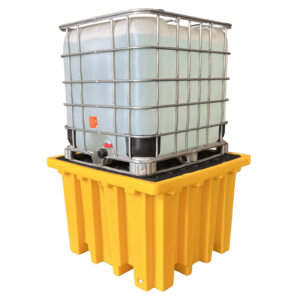
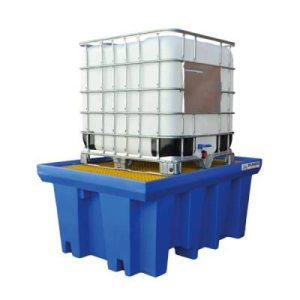
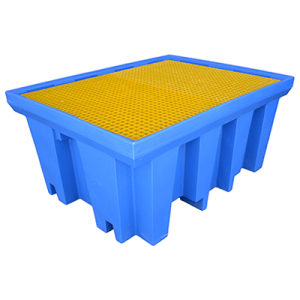
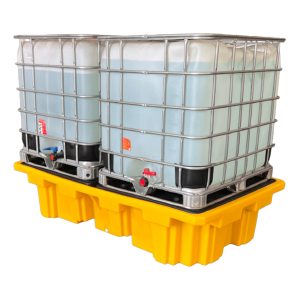
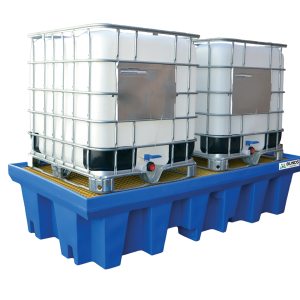
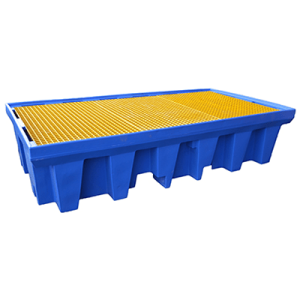
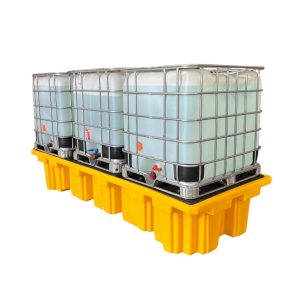
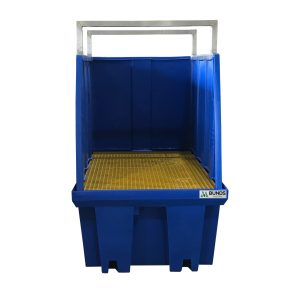
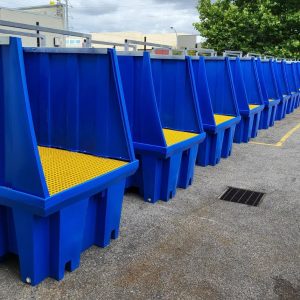
IBC bunded pallets provide secondary containment beneath intermediate bulk containers, capturing leaks, drips and spills before they reach the ground or a drain. The range covers single, double and triple IBC configurations in the EziBund and MAXBund ranges, along with covers, frames, shrouds and dispensing trays to complete the setup. They support chemical, fuel, oil and hazardous liquid storage across industrial, agricultural and mining operations.
Showing 1–12 of 13 results
End of content
End of content
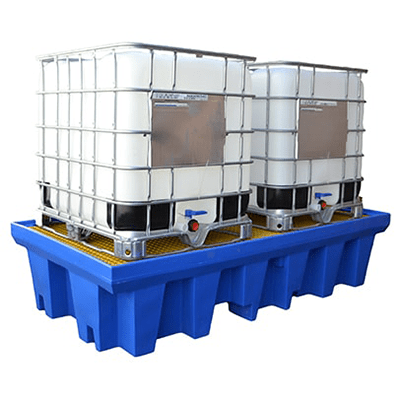
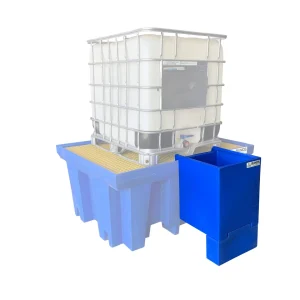
Our IBC bunded pallet range gives sites a controlled way to store and dispense from intermediate bulk containers. The IBC sits above a moulded poly sump, so anything escaping the container is captured in the containment volume below rather than running across a hardstand and into stormwater. The same arrangement catches product spilt during decanting, which is where a dispensing tray under the tap earns its place.
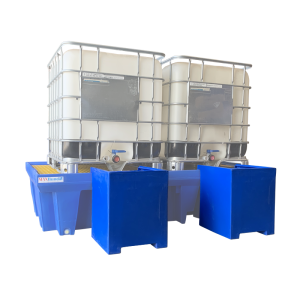
Sizing starts with the number of IBCs being stored and the footprint they occupy. A standard 1000 litre IBC in Australia measures around 1200mm by 1000mm, with height varying by pallet and cage build, so check your containers against the internal dimensions of the bund. Single units suit one IBC at a decanting point or workshop store, doubles are common where a site runs two products side by side, and triples consolidate a larger holding into one footprint with a single containment volume to inspect and clear. Poly construction resists a broad range of chemicals and will not corrode the way a steel bund can when it holds an aggressive product or sits in a wash-down area, though compatibility should always be checked against the specific liquid.
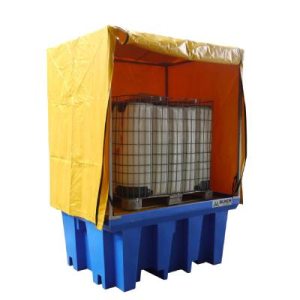
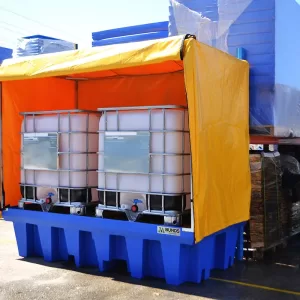
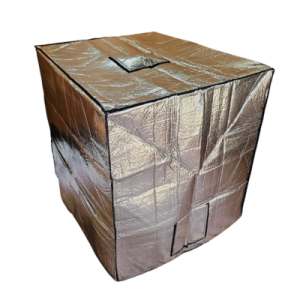
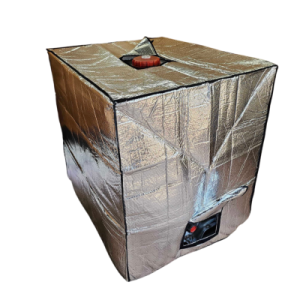
Covers and frames matter more than they first appear for anything stored outside. An uncovered bund collects rainwater, and a sump holding water is no longer holding its rated containment volume, so that water needs checking and clearing before the bund can do its job again. Shrouds and PVC cover and frame kits keep rain out, while thermal and UV covers protect the product inside the IBC from heat and sunlight. When specifying a bund, work through the number and size of containers, the containment volume required for the products stored, whether the location is covered or exposed, and how the liquid will be dispensed. Confirm the containment capacity of the specific product meets the requirements that apply to your site and the class of liquid being stored.
An IBC bunded pallet holds an intermediate bulk container above a containment sump, capturing any leak, drip or spill from the container or during dispensing. It stops product reaching the ground, drains or stormwater.
A bund is a secondary containment barrier around stored liquids, built to capture a leak or spill before it can spread to soil, drains or waterways. A bunded pallet is a portable version sized to hold containers.
A standard 1000 litre IBC is roughly 1200mm by 1000mm, with height varying by pallet and cage. Check your containers against the internal dimensions of the bund, as builds differ between manufacturers.
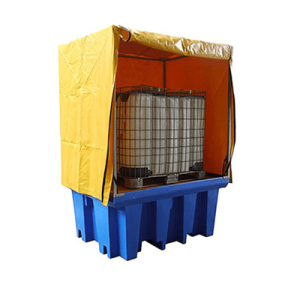
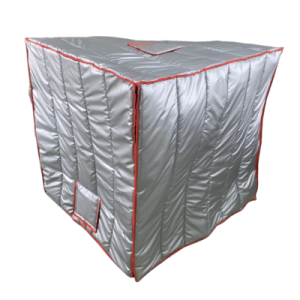
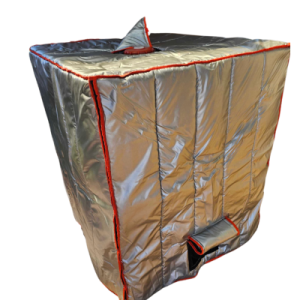
A shroud encloses the IBC on the bund, shielding the container and its fittings from rain, sun and windblown dust. It suits outdoor storage where the product inside needs protection as well as containment.
Start with the number of IBCs stored, which sets whether you need a single, double or triple unit. Then check the bund’s containment volume against the requirement for the products and volumes you hold.
For outdoor storage a cover is standard practice. An open bund collects rainwater, and water sitting in the sump reduces the volume available for a real spill, so it needs clearing before the bund works again.
A dispensing tray sits beneath the IBC tap to catch drips and small spills during decanting. It keeps product contained at the point where it is most likely to escape rather than letting it run across the bund.
Polyethylene resists a wide range of chemicals and will not corrode, which suits aggressive products, wash-down areas and outdoor exposure. Material choice should still be checked against the stored liquid.
Yes, and they commonly are, though outdoor units need a cover or shroud to keep rain out of the sump. Consider UV exposure on both the bund and the IBC, and how water is managed if the unit stays uncovered.
It can. Anything sitting inside a bund displaces volume, so capacity should be assessed on usable space rather than empty internal dimensions. Check how the product’s rated figure is stated.
Water in a sump may be contaminated, so it cannot simply be tipped onto the ground. It generally needs testing, then controlled drainage or removal to a licensed facility, depending on your site’s requirements.
Check the sump for cracks, residue and standing water, and confirm the rated containment volume is still available. Outdoor units need checking more often, since rainwater accumulates between inspections.
No products in the cart.

To provide the best experiences, we use technologies like cookies to store and/or access device information. Consenting to these technologies will allow us to process data such as browsing behaviour or unique IDs on this site. Not consenting or withdrawing consent, may adversely affect certain features and functions.
Join our mailing list to receive the latest updates, exclusive offers, and news straight to your inbox. Don’t miss out!
We respect your privacy. Unsubscribe anytime.